Your CV is often the first impression an employer has of you — and in a competitive job market, it needs to work hard in a very short amount of time. Most recruiters skim a CV in under a minute before deciding whether to move forward. Here’s how to make sure yours makes the cut.
1. Choose the Right Format
Stick to a clean, simple layout. Avoid overly decorative templates with heavy graphics, unusual fonts, or colored backgrounds — many companies use Applicant Tracking Systems (ATS) that struggle to read complex designs, and even human reviewers prefer clarity over flash.
A standard, effective structure looks like this:
- Contact Information — name, phone number, professional email, city, and LinkedIn (if available).
- Professional Summary — 2–3 lines summarizing who you are and what you offer.
- Work Experience — most recent role first.
- Education
- Skills
- Certifications (if relevant)
2. Write a Strong Professional Summary
Skip generic lines like “hardworking individual seeking opportunities.” Instead, be specific:
“Marketing graduate with 1 year of internship experience in digital campaigns, skilled in social media management and content creation, seeking to contribute to a fast-growing e-commerce brand.”
This tells the recruiter exactly who you are and what value you bring — in seconds.
3. Focus on Achievements, Not Just Duties
Many CVs simply list job responsibilities. Instead, show impact:
- Weak: “Responsible for handling customer complaints.”
- Strong: “Resolved an average of 30+ customer complaints weekly, maintaining a 95% satisfaction rating.”
Whenever possible, use numbers — sales figures, percentages, team sizes, project timelines. Numbers make your contributions concrete and easy to evaluate.
4. Tailor Your CV for Each Job
Sending the same CV to every employer reduces your chances. Instead:
- Read the job description carefully and note the required skills and keywords.
- Reorder or rephrase your bullet points to highlight the most relevant experience.
- Match terminology used in the posting (e.g., if they say “client relationship management,” don’t just write “customer service”).
This is especially important if the employer uses ATS software, which scans CVs for relevant keywords before a human ever sees them.
5. Keep It Concise
- Fresh graduates: 1 page is ideal.
- Experienced professionals: 2 pages maximum.
- Cut anything older than 10–15 years unless highly relevant.
- Remove outdated skills (e.g., basic MS Office proficiency is now assumed, not a standout skill).
6. List Skills That Actually Matter
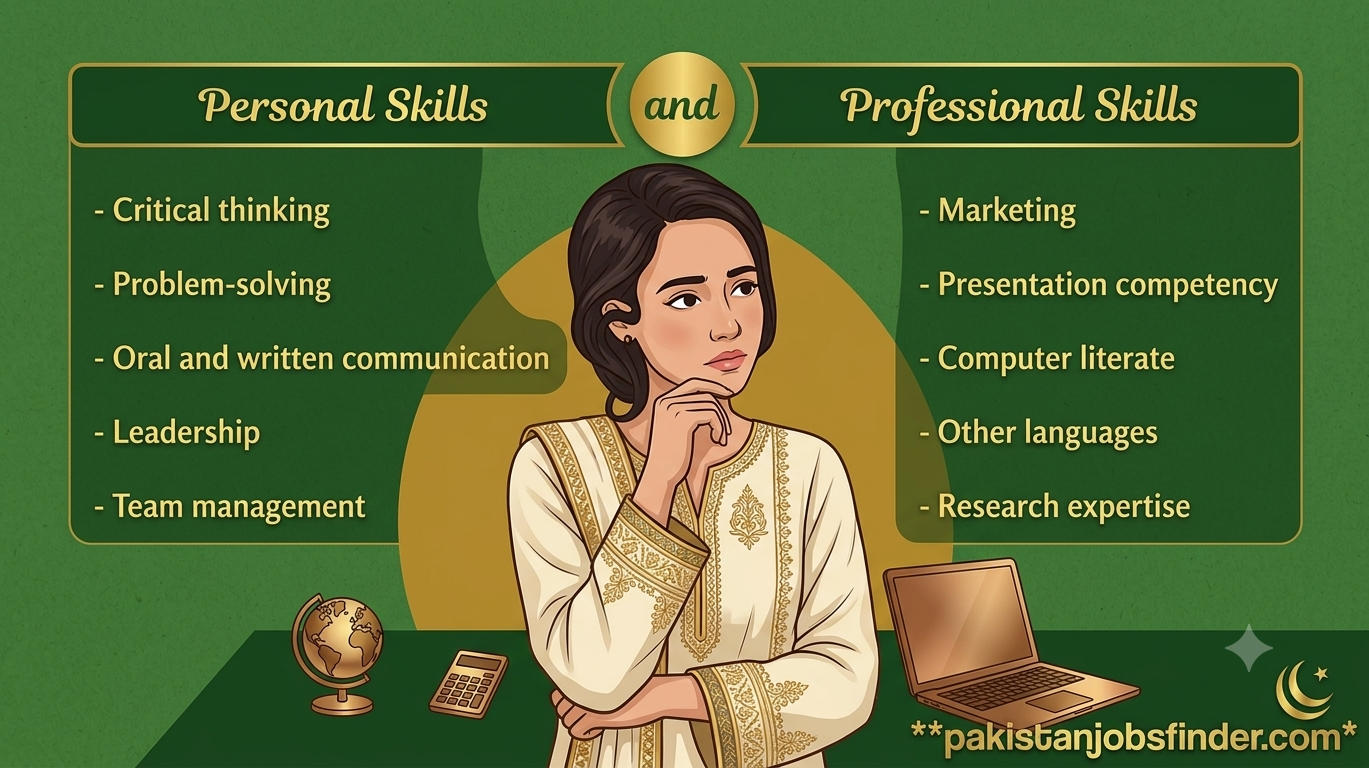
Separate your skills into categories if you have many:
- Technical skills: software, tools, programming languages, certifications.
- Soft skills: communication, leadership, problem-solving — but only list these if you can back them up with examples elsewhere in your CV.
Avoid vague filler like “team player” or “detail-oriented” without context — these phrases are overused and rarely convincing on their own.
7. Proofread Thoroughly
Spelling and grammar mistakes create an instant negative impression. Before submitting:
- Read your CV out loud to catch awkward phrasing.
- Use a grammar-checking tool.
- Ask a friend, mentor, or family member to review it fresh.
- Double-check dates, contact details, and job titles for accuracy.
8. Include a Matching Cover Letter
A short, tailored cover letter (3–4 short paragraphs) can strengthen your application significantly:
- Opening: Mention the role and where you found it.
- Middle: Connect your experience directly to the job requirements.
- Closing: Express enthusiasm and include a call to action (e.g., availability for an interview).
9. Common CV Mistakes to Avoid
- Using an unprofessional email address (e.g., coolguy123@…).
- Including a photo unless specifically requested — many industries in Pakistan don’t require this.
- Listing irrelevant personal details like religion, marital status, or CNIC number, unless the employer explicitly asks.
- Submitting a CV as an editable Word file when a PDF is expected (PDFs preserve formatting across devices).
- Forgetting to update contact information after changing your phone number or email.
10. Keep It Updated
Even when you’re not actively job hunting, update your CV every few months. Add new skills, certifications, or achievements while they’re fresh in your memory — this saves time and stress when a great opportunity comes up unexpectedly.
Final Thoughts
A well-written CV won’t guarantee a job, but a poorly written one can cost you an interview before you even get the chance to explain your skills in person. Take the time to structure it clearly, tailor it to each role, and back up your claims with real results. Once your CV is polished, you can put it to work by applying directly through platforms like PakistanJobsFinder.com, where you can filter opportunities by industry, city, and experience level.